Bottom line
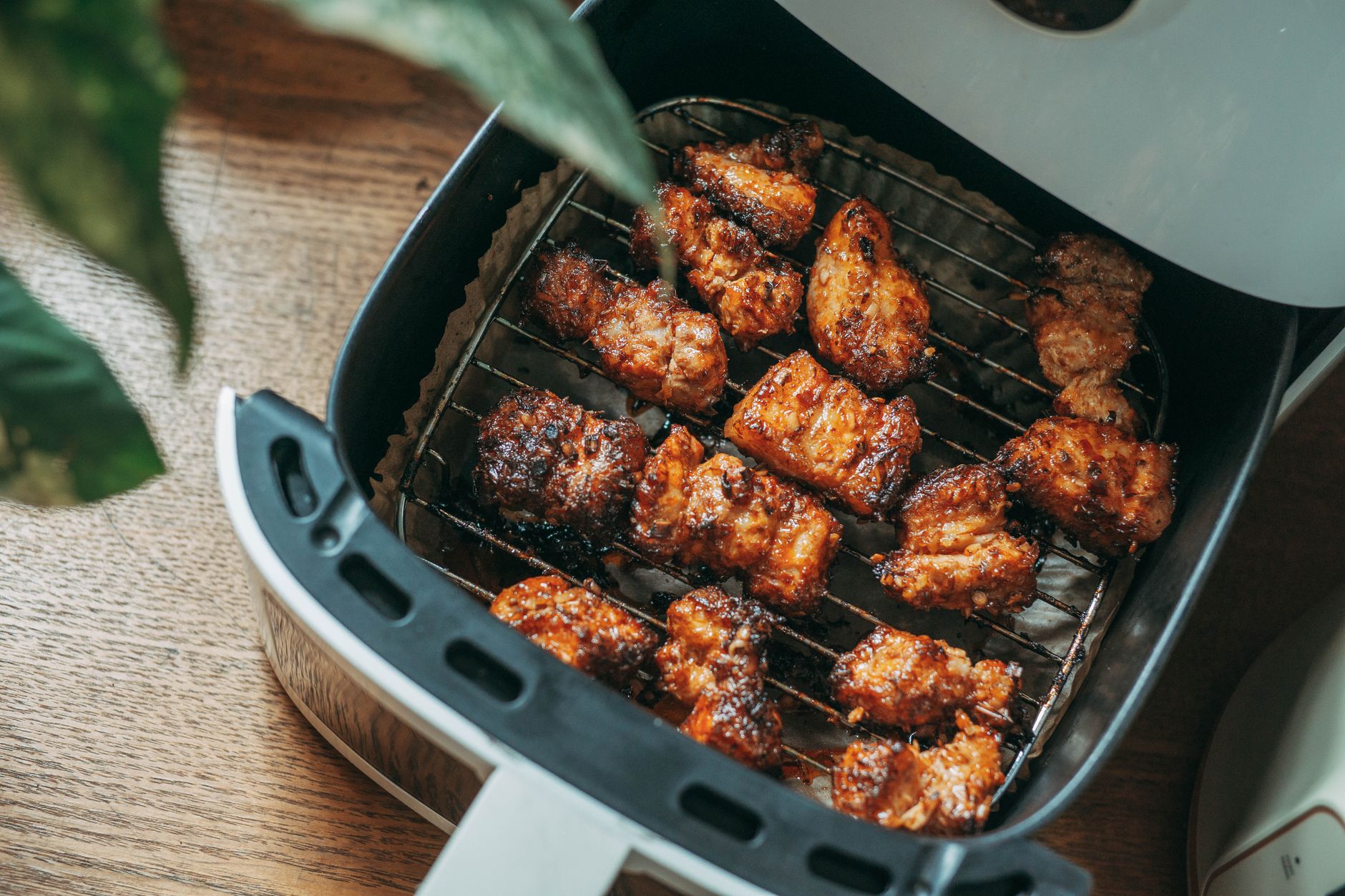
Air Fryer or Toaster Oven and Which Countertop Appliance Fits You solve nearby problems, but they do not fail in the same way. Air fryers are faster for crisping; toaster ovens are more flexible for toast, trays, and small bakes. This Kitchen comparison is about fit, upkeep, and the moment one option becomes annoying enough that the other makes more sense.
We treat this as a research-based guide. That means the recommendation is built from product specs, ownership patterns, support terms, and recurring complaints rather than invented test notes. We do not invent lab tests or claim we personally trialled every product named here.
The short version
Choose an air-fryer toaster oven if counter space allows. The better choice depends less on which option sounds more advanced and more on where it will be used. In a weeknight kitchen, with limited counter space and no patience for awkward cleanup, small annoyances turn into daily deal breakers quickly.
Air Fryer or Toaster Oven is the safer pick when convenience and low effort matter most. Which Countertop Appliance Fits You earns its place when the job needs more control, capacity, or durability. Air fryers are faster for crisping; toaster ovens are more flexible for toast, trays, and small bakes.
The ownership test for air fryer or toaster oven: which countertop appliance fits you is simple: imagine the product six months in, after the box is gone and the first enthusiasm has cooled. You should still know where it lives, how it gets cleaned, and which part you would replace first. Pay for capacity you can actually use, an easy basket or tray, and controls that make sense at a glance. Be wary of tall bodies that block cabinets and accessories that turn cleanup into a second chore. For this category, the details to read twice are coatings, gaskets, lids, blades, baskets, and dishwasher survival.
Decision matrix
| Question | Air Fryer or Toaster Oven | Which Countertop Appliance Fits You |
|---|---|---|
| Best fit | People who want the simpler routine | People who need more control or capacity |
| Main trade-off | Usually gives up some power, polish, or flexibility | Usually takes more storage, setup, or cleanup |
| What to check first | coatings, gaskets, lids, blades, baskets, and dishwasher survival | long-term comments about warping, staining, loose handles, and parts availability |
| When to spend more | pay for durability and cleanup; skip clever features that slow dinner down | Only when the upgrade solves a problem you already have |
Where the cheaper choice can win
A lower-cost option is not automatically the compromise pick. If it is easier to store, clean, or explain to another person in the house, it may get used more often than the technically stronger product.
That is the part many comparison charts miss. Specs matter, but friction decides what stays in rotation.
Buying criteria we would not skip
- Fit: measure the space first. Buying the premium version before deciding whether it will stay on the counter is the common way this purchase goes wrong.
- speed: compare this point against the way you will actually use air fryer or toaster oven: which countertop appliance fits you. A feature is only useful if it removes friction in the routine, not if it merely looks stronger on a spec sheet.
- Fit: measure the space first. Buying the premium version before deciding whether it will stay on the counter is the common way this purchase goes wrong.
- Cleaning: check whether air fryer or toaster oven: which countertop appliance fits you can be cleaned quickly on an ordinary weeknight. If cleanup takes special tools, awkward drying, or careful disassembly, the product will probably be used less than expected.
- leftovers: compare this point against the way you will actually use air fryer or toaster oven: which countertop appliance fits you. A feature is only useful if it removes friction in the routine, not if it merely looks stronger on a spec sheet.
Which buyer are you?
| Situation | How to decide |
|---|---|
| Small spaces | Choose the simplest version of air fryer or toaster oven: which countertop appliance fits you, even if the upgrade looks more impressive. |
| Heavy use | Pay for materials, controls, and replacement parts before paying for cosmetic extras. |
| Budget buyers | Skip bundles. Buy the core item that solves the main problem cleanly. |
| Upgrade buyers | Air fryers are faster for crisping; toaster ovens are more flexible for toast, trays, and small bakes. |
Research notes and labels to verify
Before comparing brand names for air fryer or toaster oven: which countertop appliance fits you, collect the boring evidence: capacity claims, care instructions, replacement parts, and safety or standards language. Marketing pages often lead with lifestyle photos; the useful details are usually in the spec sheet and warranty PDF.
In a weeknight kitchen, with limited counter space and no patience for awkward cleanup, a product that is hard to verify up front is more likely to become hard to live with later. If a listing cannot state the room size basis, wash method, battery runtime mode, or install path clearly, treat that as a warning.
| Check | Why it matters |
|---|---|
| Food-contact claims | Confirm dishwasher, oven, microwave, and induction claims on the exact SKU |
| Replacement parts | Lids, racks, and gaskets should be available separately when possible |
| Heat and coatings | Nonstick pans usually fail from overheating and metal utensils, not from calendar age alone |
| Cleaning path | Parts that need hand-washing every use are more likely to be abandoned |
How the purchase ages
Day one: setup should be obvious. If air fryer or toaster oven: which countertop appliance fits you needs a long account setup, unclear assembly, or missing hardware, that friction rarely improves later.
First month: cleaning and storage habits settle. Products that need special tools, long dry times, or awkward disassembly tend to get used less, even when the core function is strong.
First year: consumables and wear show up—filters, brush heads, lids, batteries, soles, coatings, and straps. Budget for coatings, gaskets, lids, blades, baskets, and dishwasher survival before celebrating the checkout price.
When to replace: replace when performance or safety declines, not when a new color launches. A product that still works but is annoying every day is also a candidate for a simpler replacement.
FAQ
Should I wait for a sale? If the product is easy to compare and not urgent, yes. Just do not let a discount talk you into the wrong size, capacity, or feature set. A sale on the wrong model is still a bad buy.
Do we recommend only expensive picks? No. We recommend the version that makes the most sense for normal use. Sometimes that is the upgrade. Often it is the middle option that is easier to clean, store, or support.
What should I measure before buying air fryer or toaster oven: which countertop appliance fits you? Measure the space it has to live in, the route it has to travel, or the body/fit dimension that decides comfort. Also check whether replacement parts and consumables are easy to reorder.
What is the most common mistake? Buying the premium version before deciding whether it will stay on the counter. Closely related: paying for tall bodies that block cabinets and accessories that turn cleanup into a second chore.
How should I compare two close options? Prefer the one with clearer specs, easier maintenance, and better evidence from long-term owners. Air fryers are faster for crisping; toaster ovens are more flexible for toast, trays, and small bakes.