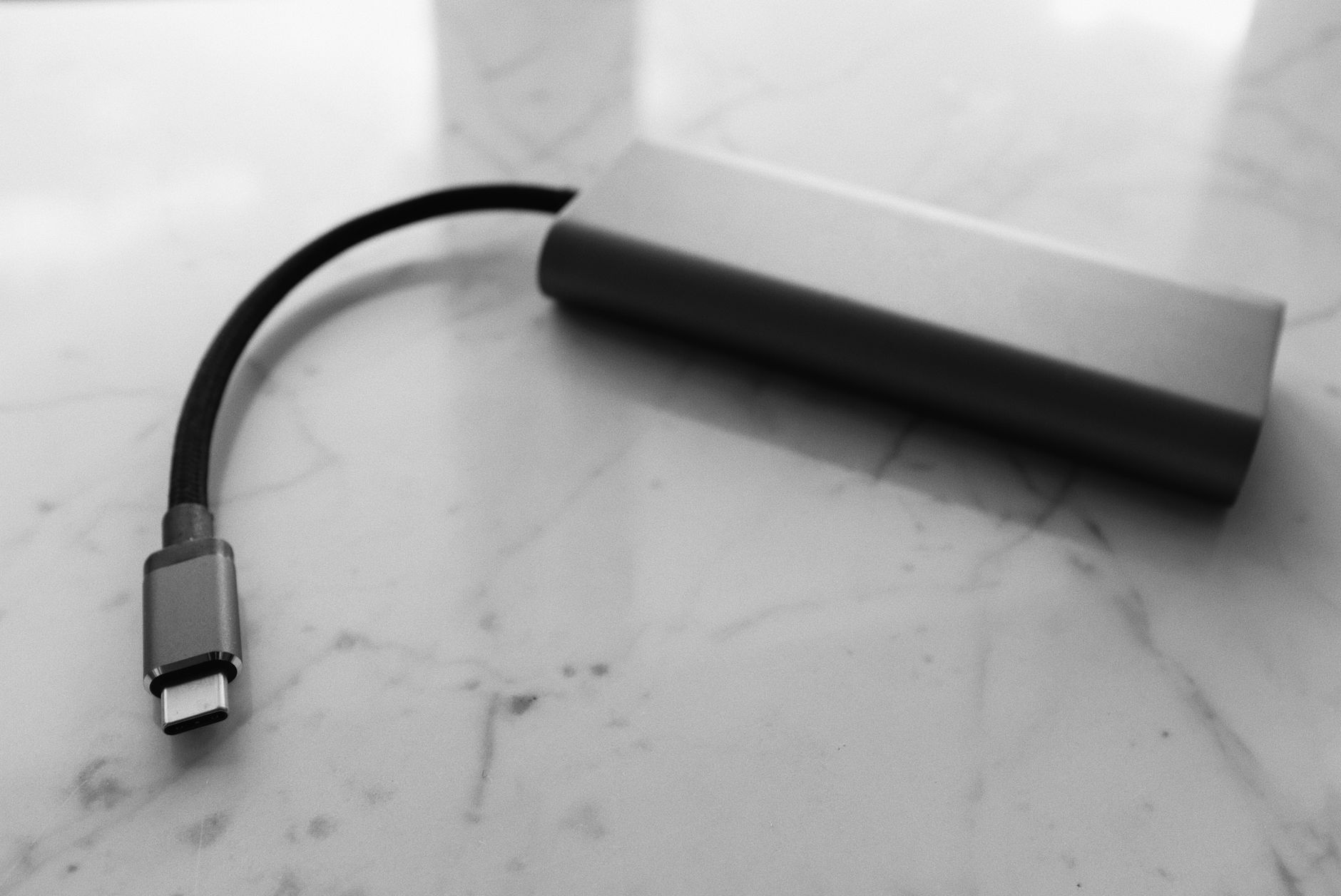
Bottom line
The best usb-c chargers for laptops and phones should make the job easier after the first week. A charger is a small travel item that can make the rest of your tech setup simpler or more annoying. This guide narrows the decision to fit, maintenance, and value.
We treat this as a research-based guide. That means the recommendation is built from product specs, ownership patterns, support terms, and recurring complaints rather than invented test notes.
Our buying advice
A 65W dual-port charger covers most daily needs. For usb-c chargers for laptops and phones, start with the ownership questions: where it will live, how often it needs cleaning, and what happens when a part wears out.
The best pick is the one that works in a desk, bag, apartment, or commute where reliability beats a long spec sheet. A product that demands too much space or attention will lose to the slightly less impressive one that is easy to use.
Pay for USB-C PD support, sensible port sharing, safety certification, and a cable rated for the wattage. Be cautious of headline wattage that drops sharply when two devices are plugged in.
The ownership test for usb-c chargers for laptops and phones is simple: imagine the product six months in, after the box is gone and the first enthusiasm has cooled. You should still know where it lives, how it gets cleaned, and which part you would replace first. Pay for USB-C PD support, sensible port sharing, safety certification, and a cable rated for the wattage. Be wary of headline wattage that drops sharply when two devices are plugged in. For this category, the details to read twice are cables, firmware, apps, batteries, heat, and the settings people forget to check.
What matters most
- Fit: make sure the size, shape, or setup works before comparing premium features.
- Upkeep: pay attention to cables, firmware, apps, batteries, heat, and the settings people forget to check.
- Value: pay for standards support and build quality before paying for extra features.
- Evidence: give more weight to support pages, compatibility notes, warranty terms, and owner reports after updates.
Criteria that change the recommendation
- Compatibility: confirm the boring technical details before paying for speed or extra features. Standards support, ports, cables, firmware, and warranty terms matter more than a headline spec.
- Compatibility: confirm the boring technical details before paying for speed or extra features. Standards support, ports, cables, firmware, and warranty terms matter more than a headline spec.
- cable quality: compare this point against the way you will actually use usb-c chargers for laptops and phones. A feature is only useful if it removes friction in the routine, not if it merely looks stronger on a spec sheet.
- Safety and setup: the right choice should make correct installation obvious. Vague instructions, weak mounting hardware, or unclear ratings are reasons to slow down before buying.
- Fit: measure the space first. Shopping by headline numbers while ignoring ports, setup, privacy, and support is the common way this purchase goes wrong.
What we would avoid
Avoid products that make simple jobs feel managed by an app, a subscription, or a pile of accessories. Also be careful with "pro" versions that mainly add size. In day-to-day use, bulk is a cost.
A good usb-c chargers for laptops and phones should feel settled after a month: easy to reach, easy to care for, and clear about why it earned the space.
Which buyer are you?
| Situation | How to decide |
|---|---|
| Small spaces | Choose the simplest version of usb-c chargers for laptops and phones, even if the upgrade looks more impressive. |
| Heavy use | Pay for materials, controls, and replacement parts before paying for cosmetic extras. |
| Budget buyers | Skip bundles. Buy the core item that solves the main problem cleanly. |
| Upgrade buyers | Most people are better served by one reliable 65W charger than several weak adapters. |
FAQ
Should I wait for a sale? If the product is easy to compare and not urgent, yes. Just do not let a discount talk you into the wrong size or feature set.
Do we recommend only expensive picks? No. We recommend the version that makes the most sense for normal use. Sometimes that is the upgrade. Often it is the middle option.