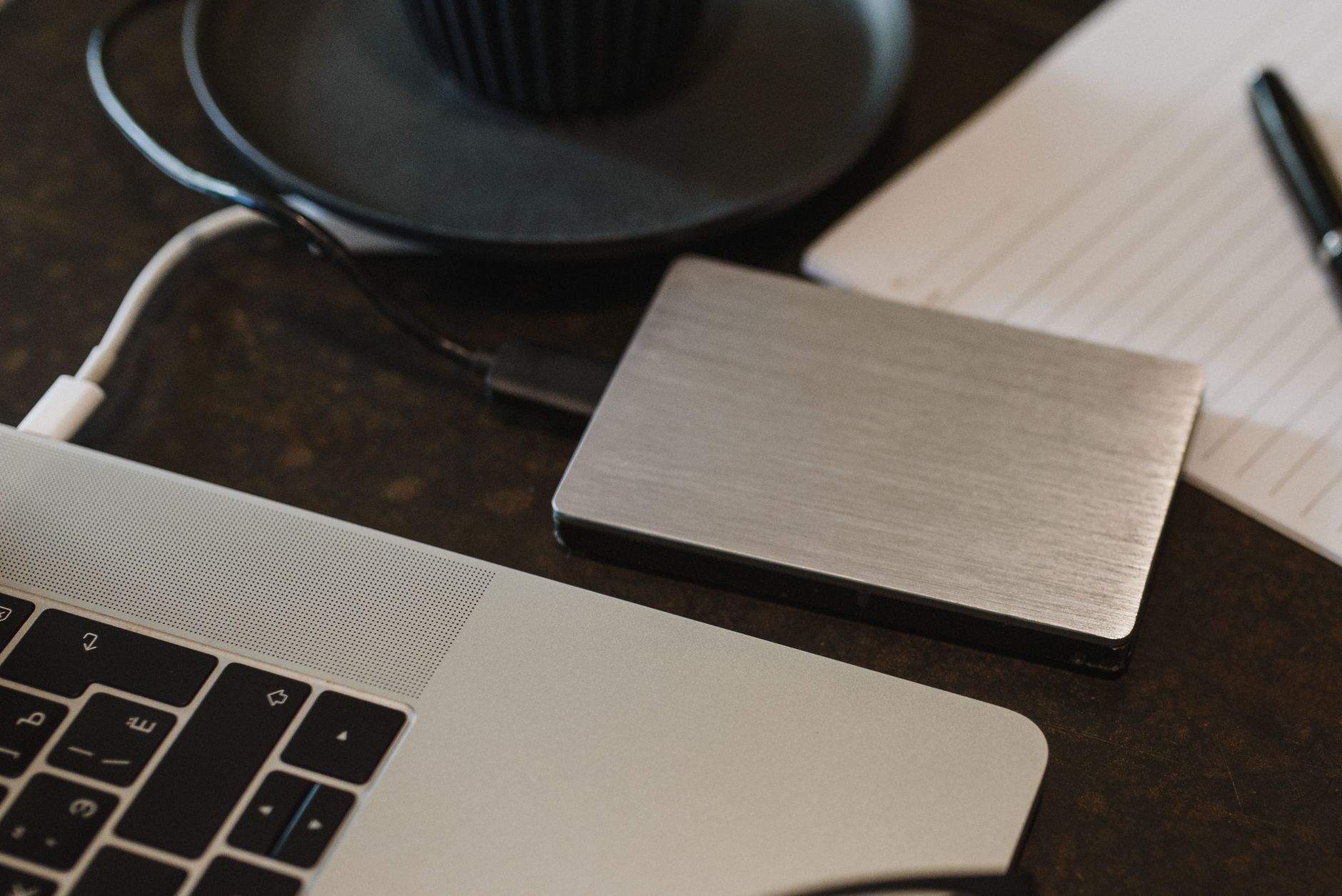
Bottom line
Portable SSDs and Cloud Storage for Backups solve nearby problems, but they do not fail in the same way. Compare the ordinary version against the upgrade only after you know what problem the upgrade solves. This Tech comparison is about fit, upkeep, and the moment one option becomes annoying enough that the other makes more sense.
We treat this as a research-based guide. That means the recommendation is built from product specs, ownership patterns, support terms, and recurring complaints rather than invented test notes.
The short version
Use both: local speed plus off-site resilience. The better choice depends less on which option sounds more advanced and more on where it will be used. In a desk, bag, apartment, or commute where reliability beats a long spec sheet, small annoyances turn into daily deal breakers quickly.
Portable SSDs is the safer pick when convenience and low effort matter most. Cloud Storage for Backups earns its place when the job needs more control, capacity, or durability. Compare the ordinary version against the upgrade only after you know what problem the upgrade solves.
The ownership test for portable ssds vs. cloud storage for backups is simple: imagine the product six months in, after the box is gone and the first enthusiasm has cooled. You should still know where it lives, how it gets cleaned, and which part you would replace first. Pay for durable materials, clear setup, easy cleaning, and support if a small part fails. Be wary of large bundles, vague claims, and features that sound impressive but add friction. For this category, the details to read twice are cables, firmware, apps, batteries, heat, and the settings people forget to check.
Decision matrix
| Question | Portable SSDs | Cloud Storage for Backups |
|---|---|---|
| Best fit | People who want the simpler routine | People who need more control or capacity |
| Main trade-off | Usually gives up some power, polish, or flexibility | Usually takes more storage, setup, or cleanup |
| What to check first | cables, firmware, apps, batteries, heat, and the settings people forget to check | support pages, compatibility notes, warranty terms, and owner reports after updates |
| When to spend more | pay for standards support and build quality before paying for extra features | Only when the upgrade solves a problem you already have |
Where the cheaper choice can win
A lower-cost option is not automatically the compromise pick. If it is easier to store, clean, or explain to another person in the house, it may get used more often than the technically stronger product.
That is the part many comparison charts miss. Specs matter, but friction decides what stays in rotation.
Buying criteria we would not skip
- Speed: compare this point against the way you will actually use portable ssds vs. cloud storage for backups. A feature is only useful if it removes friction in the routine, not if it merely looks stronger on a spec sheet.
- Cost: judge the total ownership cost, not the checkout price. Refills, filters, blades, batteries, lids, bags, and replacement parts are where cheap products often become expensive.
- privacy: compare this point against the way you will actually use portable ssds vs. cloud storage for backups. A feature is only useful if it removes friction in the routine, not if it merely looks stronger on a spec sheet.
- recovery: compare this point against the way you will actually use portable ssds vs. cloud storage for backups. A feature is only useful if it removes friction in the routine, not if it merely looks stronger on a spec sheet.
- travel risk compared: compare this point against the way you will actually use portable ssds vs. cloud storage for backups. A feature is only useful if it removes friction in the routine, not if it merely looks stronger on a spec sheet.
Which buyer are you?
| Situation | How to decide |
|---|---|
| Small spaces | Choose the simplest version of portable ssds vs. cloud storage for backups, even if the upgrade looks more impressive. |
| Heavy use | Pay for materials, controls, and replacement parts before paying for cosmetic extras. |
| Budget buyers | Skip bundles. Buy the core item that solves the main problem cleanly. |
| Upgrade buyers | Compare the ordinary version against the upgrade only after you know what problem the upgrade solves. |
FAQ
Should I wait for a sale? If the product is easy to compare and not urgent, yes. Just do not let a discount talk you into the wrong size or feature set.
Do we recommend only expensive picks? No. We recommend the version that makes the most sense for normal use. Sometimes that is the upgrade. Often it is the middle option.